
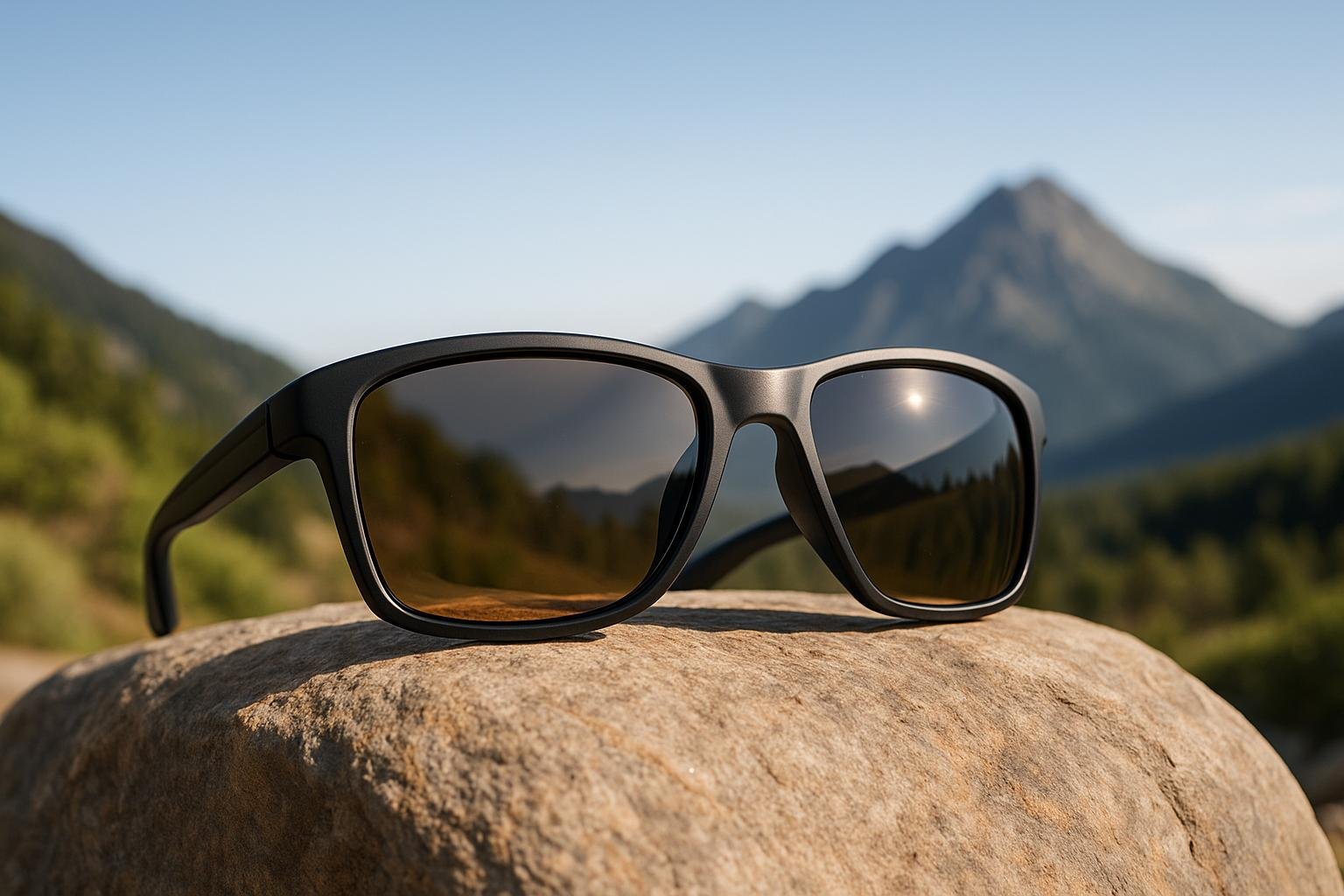
UV rays can quietly damage your outdoor optics over time, reducing clarity and durability. Here’s what you need to know:
- UV Exposure Risks: Prolonged exposure to UV-A and UV-B rays can cause yellowing, cracks, and reduced light transmission in untreated lenses.
- Untreated Lenses: These lack protection, leading to glare, faster wear, and more maintenance.
- UV-Coated Lenses: Offer stronger UV protection, better clarity, and longer lifespan, but come at a higher initial cost.
Bottom Line: For outdoor enthusiasts, UV-coated lenses are worth the investment to protect your gear and ensure long-lasting performance.
Do UV Filters ACTUALLY Ruin Your Image Quality?
1. Untreated Optical Lenses
Untreated lenses are simple optical glass without any UV-blocking coatings. These lenses depend entirely on the natural properties of the glass to transmit light, which leaves them with several limitations when compared to UV-coated lenses.
Light Transmission Quality
In untreated lenses, standard optical glass allows light to pass through at each air-to-glass interface. However, the absence of anti-reflective coatings means surface reflections can significantly reduce the amount of light transmitted. This issue becomes more pronounced in multi-element lens systems. As a result, untreated lenses often struggle with glare and internal reflections, especially in bright conditions or direct sunlight, which can lower image contrast and overall clarity.
UV Damage Resistance
When it comes to UV protection, untreated glass falls short. While it may block some of the most harmful wavelengths, it does little to shield against everyday UV rays. Over time, this exposure can cause the glass to yellow, compromising color accuracy. Prolonged UV exposure can also weaken the adhesive that binds lens elements together, increasing the risk of separation or clouding within the lens.
Outdoor Durability
Without protective coatings, untreated lenses are more vulnerable to scratches, temperature fluctuations, and moisture-related issues. Dust and debris can easily stick to the uncoated surface, and rapid changes in temperature can stress the lens material. Moisture, in particular, can cling to the surface, leading to distortion and making cleaning more frequent and challenging.
Maintenance Requirements
Untreated lenses demand regular and careful maintenance to keep them performing well. They are prone to collecting dirt, fingerprints, and moisture, and cleaning them requires extra caution to avoid scratches. Additionally, these lenses need to be stored in a stable, dry environment to prevent moisture-related damage. While untreated lenses may have a lower upfront cost, their higher maintenance needs and shorter lifespan can make them less economical in the long run. This stands in stark contrast to the reduced upkeep required by UV-coated lenses.
2. UV-Coated Optical Lenses
UV-coated lenses are designed to perform exceptionally well in tough outdoor environments. These special coatings change how light interacts with the lens surface, offering better protection against various external factors.
Light Transmission Quality
One standout feature of UV-coated lenses is their ability to transmit light effectively. Thanks to multi-layer anti-reflective coatings, these lenses reduce surface reflections significantly. This means more brightness, sharper contrast, and accurate color reproduction, even in challenging conditions like snow-covered landscapes or sunlit water. These coatings work across the entire visible spectrum, ensuring precise color representation while also cutting down on glare. Plus, they provide excellent UV protection without compromising optical clarity.
UV Damage Resistance
The UV coatings on these lenses block the majority of harmful UV-A and UV-B rays. This shielding prevents issues like yellowing and material degradation that untreated glass often faces over time. Additionally, these coatings protect internal adhesives and bonding agents, which are critical for the stability of multi-element lenses. The result? A longer lifespan for complex optical systems, even with regular outdoor use. And it’s not just about UV protection – these lenses are built to handle physical wear and tear as well.
Outdoor Durability
UV-coated lenses are made to endure the challenges of outdoor adventures. Their hardened surfaces resist scratches and abrasions, while their design minimizes cracking caused by sudden temperature changes. Many also feature hydrophobic coatings, which make water bead up and slide off the surface. This not only prevents water spots but also reduces fogging in humid conditions, keeping your view clear.
Maintenance Requirements
Beyond their durability, UV-coated lenses are surprisingly low-maintenance. The smooth, treated surface repels dirt and fingerprints, making cleaning quick and easy with minimal risk of scratches. Hydrophobic properties further simplify upkeep, allowing you to focus more on your activities and less on lens care. Whether you’re hunting, bird watching, or camping, these lenses are built to handle it all. Their performance and durability meet the rigorous demands of Scope It Outdoors, making them a reliable choice for outdoor enthusiasts.
sbb-itb-31b92c7
Pros and Cons
After examining how UV exposure impacts lens performance, let’s break down the practical differences between untreated and UV-coated optics.
| Feature | Untreated Lenses | UV-Coated Lenses |
|---|---|---|
| Initial Cost | Lower upfront investment | Higher purchase price |
| Light Transmission | Basic clarity with reflections | Improved brightness and contrast |
| UV Protection | Minimal to no UV blocking | Blocks most UV-A and UV-B rays |
| Durability | Prone to scratching and yellowing | Scratch-resistant, hardened surface |
| Maintenance | Requires frequent cleaning | Easier cleaning, dirt-repellent |
| Lifespan | Shorter due to UV degradation | Longer life with coating protection |
This comparison highlights the differences in cost, performance, and durability. Here’s a closer look at how these features play out in real-world use.
Untreated lenses are a budget-friendly choice, offering basic optical performance. However, they fall short under prolonged outdoor conditions. Exposure to UV rays can cause untreated lenses to yellow over time and deteriorate, especially in environments with intense sunlight or at high altitudes. Surface reflections further reduce clarity, and the softer glass is more prone to scratches during regular use.
UV-coated lenses, on the other hand, are designed for better performance and longer-lasting durability, which justifies their higher price tag. The multi-layer coatings boost light transmission and block harmful UV rays, preventing material degradation. These lenses hold up well in harsh conditions, require less maintenance, and maintain clarity, making them a practical choice for outdoor enthusiasts.
For hunters, bird watchers, and campers, UV-coated lenses offer a clear advantage. They resist weather-related issues like fogging or water spots, ensuring uninterrupted visibility in critical moments. In contrast, untreated lenses are more likely to obscure your view when you need it most.
The choice between untreated and UV-coated lenses ultimately comes down to how you plan to use them and your budget. For casual outdoor activities, untreated lenses might suffice. But for those who spend significant time outdoors, the enhanced performance and durability of UV-coated lenses make them a worthwhile investment.
Conclusion
UV-coated lenses stand out as a superior choice compared to untreated lenses in every important aspect. Their advantages make them a must-have for anyone seeking optimal performance and protection.
These lenses effectively block harmful UV-A and UV-B rays, shielding your eyes from potential damage and reducing the risk of yellowing over time. This feature is especially vital for individuals who spend long hours outdoors, particularly in environments with intense reflections, such as snowy landscapes or bodies of water.
In addition to protection, UV-coated lenses improve visual performance by cutting down glare and easing eye strain caused by bright sunlight. This ensures sharper vision, which can enhance reaction times and accuracy during outdoor activities. Plus, the coating maintains natural clarity and true-to-life color perception, making it ideal for a wide range of outdoor scenarios.
For outdoor enthusiasts – whether you’re tracking wildlife, identifying bird species, or navigating rugged terrain – UV-coated lenses deliver unmatched reliability. Many modern anti-reflective coatings now combine UV protection with scratch resistance, offering a comprehensive solution that extends the lifespan of your optics. While the upfront cost may be higher, the durability and performance benefits make it a worthwhile investment.
At Scope It Outdoors, we strongly recommend UV-coated lenses for anyone passionate about outdoor adventures. Their enhanced protection, clarity, and longevity make them an essential addition to your gear, ensuring you can enjoy the great outdoors safely and effectively for years to come.
FAQs
How does long-term UV exposure affect untreated optical lenses and their performance?
Over time, UV rays can take a serious toll on untreated optical lenses, diminishing both their performance and lifespan. Prolonged exposure to UV radiation can lead to yellowing, cloudiness, or a noticeable loss of clarity in the lens material. This not only affects image quality but can also impair vision. On top of that, extended UV exposure can weaken the lens structure itself, making it more prone to damage.
This is where UV-coated lenses come into play. These specially designed lenses are built to block harmful UV rays, helping to maintain their clarity and performance. Choosing lenses with UV protection isn’t just about better visuals – it’s about ensuring your lenses stay durable and reliable for years to come.
How do UV-coated lenses improve light clarity and color accuracy compared to untreated lenses?
UV-coated lenses improve light clarity by cutting down surface reflections, which allows more light to pass through. This can lead to as much as 99.9% light transmission, delivering sharper and brighter visuals.
On top of that, these coatings block harmful ultraviolet rays that can cause haze or distortions, ensuring colors appear more accurate and vibrant. Beyond enhancing image quality, UV coatings also help protect lenses from long-term wear, making them ideal for outdoor use in bright sunlight.
Are UV-coated lenses a good investment if I only spend time outdoors occasionally?
UV-coated lenses provide essential protection against harmful ultraviolet (UV) rays, which can lead to long-term eye damage and discomfort – even with minimal time spent outdoors. Beyond shielding your eyes, these coatings also minimize glare and enhance visual clarity, making outdoor activities not just safer but also more comfortable.
While UV-coated lenses may come with a higher initial price tag, many consider them a smart choice for safeguarding eye health. Even if you’re not outdoors often, the added comfort and protection they offer can make a noticeable difference. For many, the long-term benefits easily justify the upfront cost.