
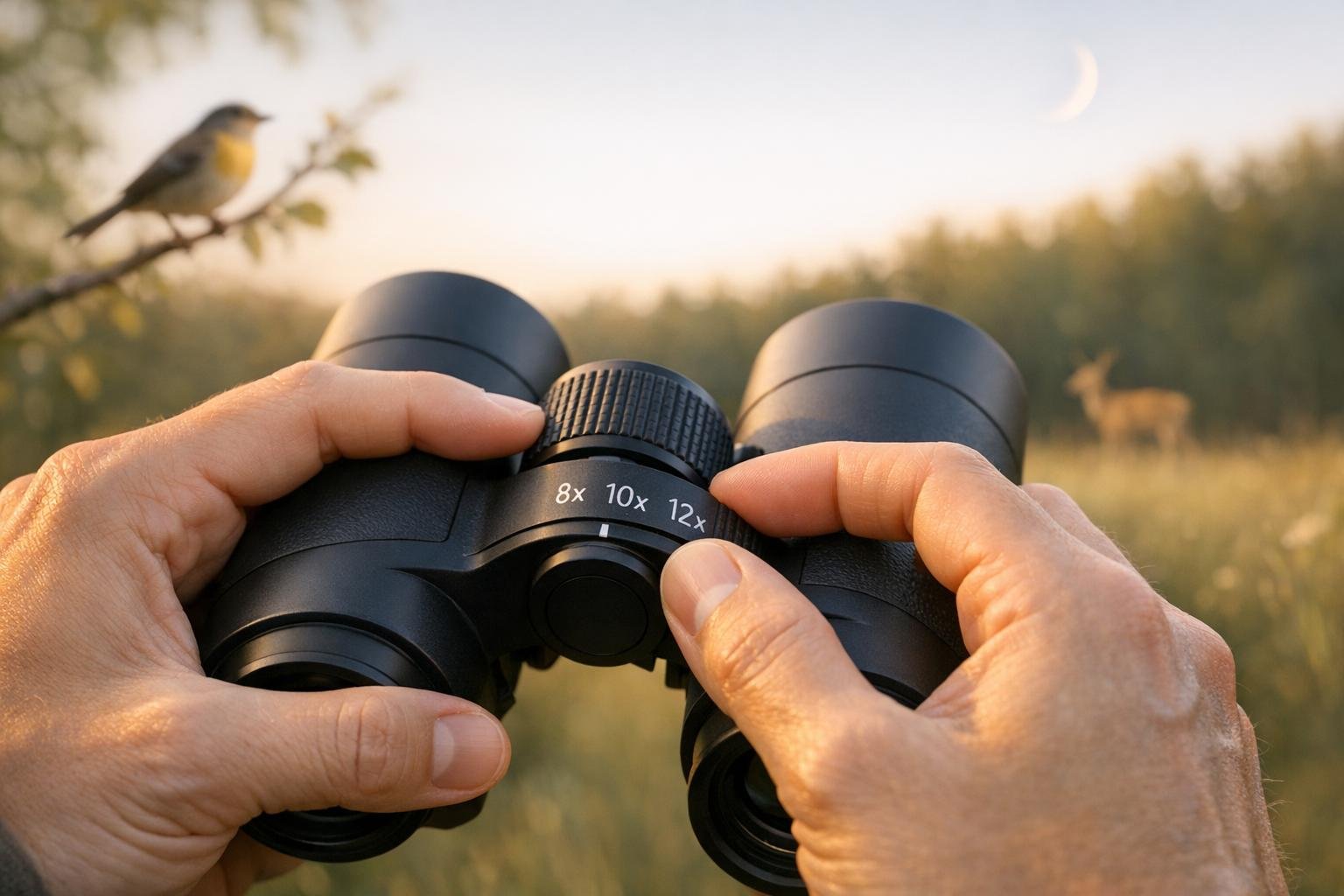
Choosing the Right Binoculars for Your Outdoor Passion
When it comes to outdoor activities like birdwatching, hunting, or stargazing, having the right gear can transform your experience. A key factor often overlooked is finding the ideal magnification for your binoculars—a detail that can mean the difference between spotting a rare bird in the treetops or missing it entirely. With so many options out there, from 7x to 15x and beyond, narrowing down the perfect power for your needs can feel overwhelming.
Why Magnification Matters
The strength of your binoculars determines how close you can get to far-off subjects, but it’s not just about zooming in. Lower powers offer a broader view, making it easier to track movement, while higher ones zero in on distant details at the cost of stability. Whether you’re scanning wide landscapes or focusing on a specific target, understanding this balance is crucial. Tools that guide you through this decision can save hours of research and guesswork.
Tailoring Your Choice
Think about where you’ll be using your gear most. A casual hiker might thrive with a versatile 8x pair, while a dedicated astronomer could benefit from something stronger. Pair that with insights on lens quality and practical tips, and you’re set for success in the field.
FAQs
What does magnification mean for binoculars?
Magnification tells you how much closer an object will appear through your binoculars. For example, 8x means the object looks eight times closer than it is. Higher numbers like 10x or 12x bring distant things even nearer, but they can also narrow your field of view and make the image shakier if you don’t have a steady hand or a tripod. That’s why matching magnification to your activity is so important—birdwatching often works best at 8x, while long-range hunting might need 10x or more.
Why does field of view matter when choosing binoculars?
Field of view is the width of the area you can see through your binoculars at a given distance. Lower magnification, like 7x or 8x, gives you a wider view, which is great for tracking moving targets like birds or wildlife. Higher magnification narrows that view, so it’s harder to spot something that’s not dead center. If you’re new to using binoculars, starting with a wider field of view can make things a lot easier while you get the hang of it.
Can I use high magnification binoculars without a tripod?
You can, but it’s tricky. Anything above 10x starts to show every little shake in your hands, making the image jittery and hard to focus on. If you’re set on something powerful like 12x or 15x for stargazing or long-distance viewing, a tripod is a game-changer for stability. Otherwise, stick to 8x or 10x for handheld use, and look for binoculars with good lens quality to keep the image crisp without extra weight.