
Choosing the Right Binoculars for Your Outdoor Adventures
When heading out for birdwatching, hunting, or stargazing, having the right gear can transform your experience. A key part of that gear is finding binoculars that match your specific needs. With so many options out there, narrowing down the ideal magnification and lens size can feel overwhelming. That’s where a tailored approach, like using a binoculars magnification guide, comes in handy.
Why Magnification and Lens Size Matter
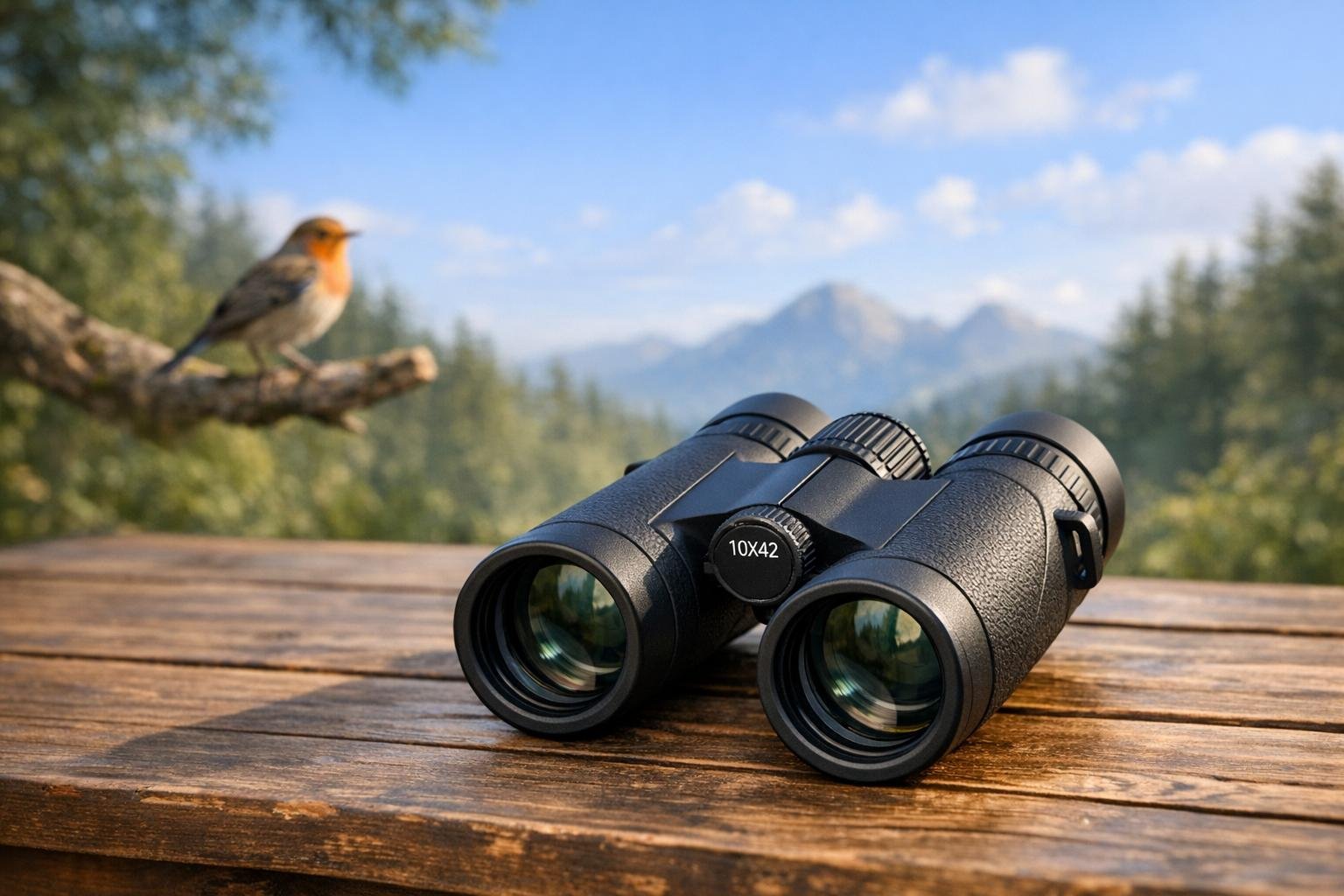
Magnification determines how close distant objects appear, while lens size affects brightness and portability. For instance, if you’re scanning wide landscapes or tracking fast-moving wildlife, a moderate range like 8x with a 42mm lens often strikes the perfect balance between clarity and ease of use. On the other hand, stargazers might prefer a higher zoom paired with larger lenses to capture faint celestial details in dim light. Knowing your primary activity helps pinpoint what works best.
Tips for a Better Viewing Experience
Beyond specs, practical usage tips can elevate your time outdoors. Stability is key with higher zooms, so consider a tripod for extended sessions. Also, factor in weight if you’re hiking long distances—lighter models can save your neck (literally). With the right tool and know-how, you’ll spot every detail nature has to offer.
FAQs
What does magnification mean for binoculars?
Magnification tells you how much closer an object appears through the binoculars compared to the naked eye. For example, 8x means the object looks eight times closer. Higher magnification, like 12x, brings distant things into sharp detail but can make the image shakier if you’re holding them by hand. That’s why for higher numbers, a tripod can be a game-changer. It’s all about balancing detail with stability based on what you’re using them for.
Why does objective lens size matter?
The objective lens size, that second number in specs like 8×42, determines how much light the binoculars can gather. A larger lens, say 50mm, lets in more light, which is great for low-light conditions like dawn or dusk—perfect for hunters or stargazers. Smaller lenses, around 32mm, are lighter and easier to carry, ideal for daytime birdwatching. It’s about matching the lens to when and where you’ll use them most.
Can I use high-magnification binoculars without a tripod?
You can, but it’s tricky. Anything above 10x magnification amplifies every tiny hand movement, making the view shaky and hard to focus. If you’re just casually scanning, you might manage with steady hands or by bracing your elbows on a surface. But for long sessions or precise viewing—like tracking a bird in flight—a tripod is worth the extra hassle. It’ll save your arms and give you a clearer, more enjoyable experience.