
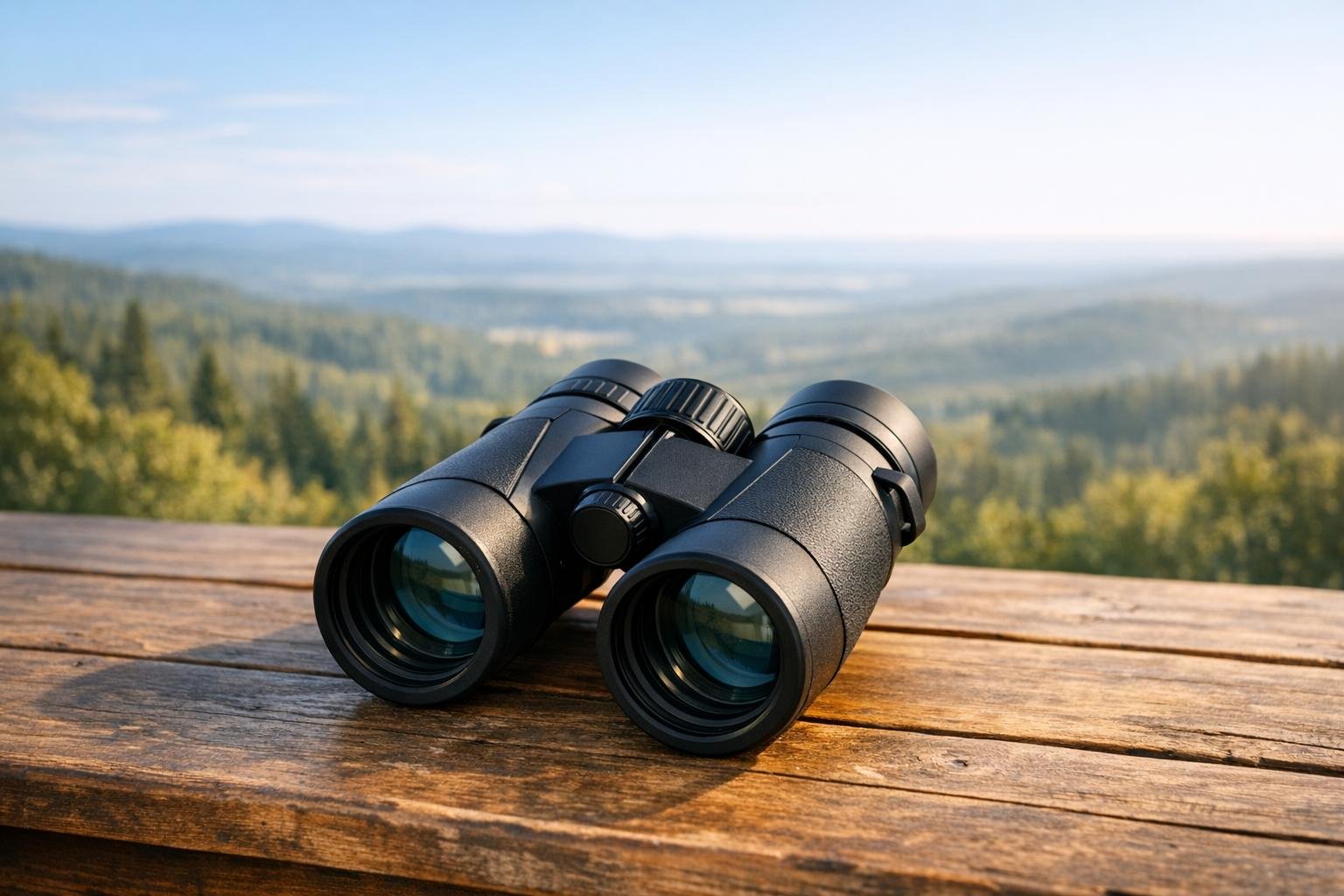
Understanding Binoculars Field of View: A Simple Guide
When you’re out in nature or at a sporting event, the right pair of binoculars can make all the difference. One key factor to consider is the field of view (FOV)—that’s the width of the scene you can see at a distance. A broader vista lets you track fast-moving subjects like birds or athletes without constantly adjusting your view.
Why FOV Matters for Optics Enthusiasts
Whether you’re a birder or a hunter, knowing your binoculars’ viewing range helps you choose gear suited to your needs. For instance, a wider perspective is ideal for open fields, while a narrower one might work for dense forests where precision matters more. Tools like our Binoculars FOV Estimator simplify this by crunching the numbers for you based on specs like magnification and lens size.
Picking the Right Gear
Beyond just calculating your viewing width, understanding this metric helps you compare models before buying. Pair this knowledge with hands-on testing, and you’re set to find optics that match your adventures. Next time you’re gearing up, take a moment to assess how much of the world you want to see through those lenses.
FAQs
What exactly is field of view (FOV) for binoculars?
Field of view, or FOV, is the width of the area you can see through your binoculars at a specific distance—usually measured at 1000 yards. Think of it as how much of the scene you can take in without moving your head. A wider FOV means you’ll see more of the landscape or track moving objects like birds or wildlife more easily. It’s a key spec if you’re into activities where a broad perspective matters.
How does magnification affect my binoculars’ field of view?
Magnification plays a big role in FOV. Higher magnification, like 10x or 12x, zooms in closer but narrows your field of view, so you see less of the surrounding area. Lower magnification, say 7x or 8x, gives you a wider vista, which is great for scanning open spaces. That’s why this tool uses magnification as a core input—it’s half the equation for figuring out how much you’ll see.
Why does wide-angle design matter for FOV?
Wide-angle binoculars are built to expand your field of view beyond the standard for their magnification and lens size. They often add about 10% more visible area, which can make a noticeable difference when you’re trying to spot something on the move. If your binoculars are labeled as wide-angle, just tick the box in our tool, and we’ll adjust the calculation to reflect that extra breadth.