
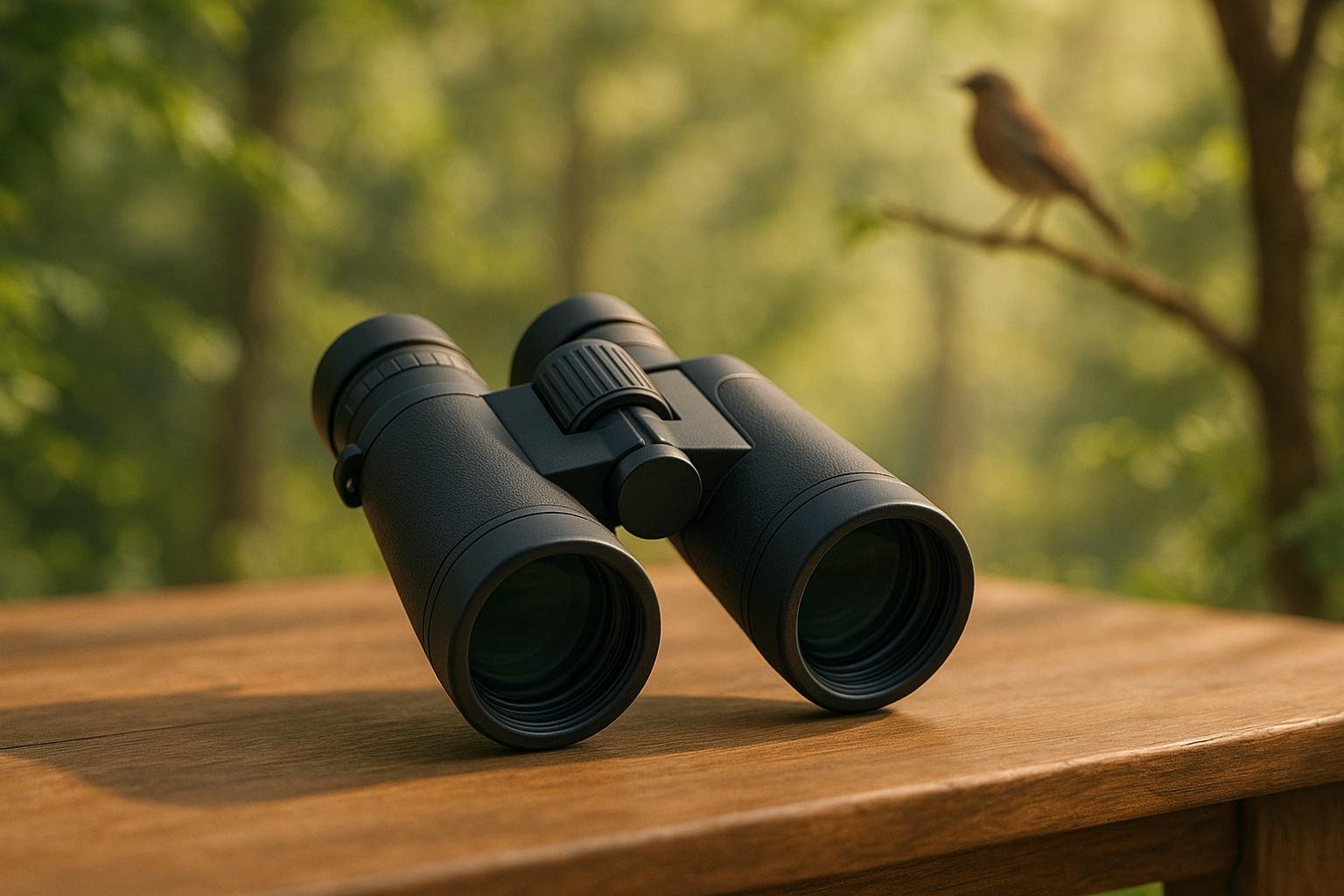
Optimize Your Outdoor Experience with a Binoculars Magnification Converter
When you’re out in nature, whether scanning treetops for rare birds or scoping distant hills for game, your binoculars are your window to the wild. But not all gear performs the same under varying conditions. That’s where a tool to calculate effective zoom and clarity comes in handy. It takes the guesswork out of understanding how your equipment behaves, so you can focus on the moment.
Why Magnification and Lens Size Matter
Every pair of binoculars comes with numbers like 8×42 or 10×50. The first is the zoom level, and the second is the lens width in millimeters. Together, they shape your viewing experience—how close things appear and how bright the image looks. A quick calculation of adjusted magnification can reveal if your setup suits daytime birding or low-light hunting. Larger lenses boost brightness but add weight, while higher zoom narrows your field. Knowing the balance helps you pack smart.
Make Every Adventure Count
Next time you’re gearing up, don’t just grab any pair off the shelf. Use a tool to assess how distance and specs tweak your view. It’s a small step that can make a big difference in spotting that elusive eagle or distant buck. Get equipped with the right insights, and let every outing be a clear success.
FAQs
What is effective magnification, and why does it differ from base magnification?
Effective magnification accounts for how factors like lens size impact the actual zoom you experience. For instance, an 8x binocular with a smaller lens might feel closer to 7.8x because less light gets through, slightly reducing the perceived power. Our tool adjusts for this so you’re not just relying on the number printed on the side of your gear. It’s a more realistic measure for real-world use, especially in dim conditions.
How does lens diameter affect clarity in binoculars?
The objective lens diameter determines how much light your binoculars can gather. A larger lens, say 50mm, pulls in more light, making images brighter and clearer, especially at dawn or dusk. Smaller lenses, like 32mm, are lighter but might struggle in low light, dropping the clarity index. Our converter gives you a heads-up on this balance so you know what to expect.
Can this tool help me choose binoculars for specific activities?
Absolutely! Different activities need different specs. Birdwatching often calls for wider fields of view and good brightness (think 8×42 setups), while hunting might prioritize higher zoom like 10x or 12x. By showing you the effective magnification and a clarity note, our tool helps you match your binoculars to the task—whether it’s spotting tiny warblers or tracking deer at a distance.